Legal Strategies Advocacy Groups Use to Challenge Oil and Gas Permits in Canada

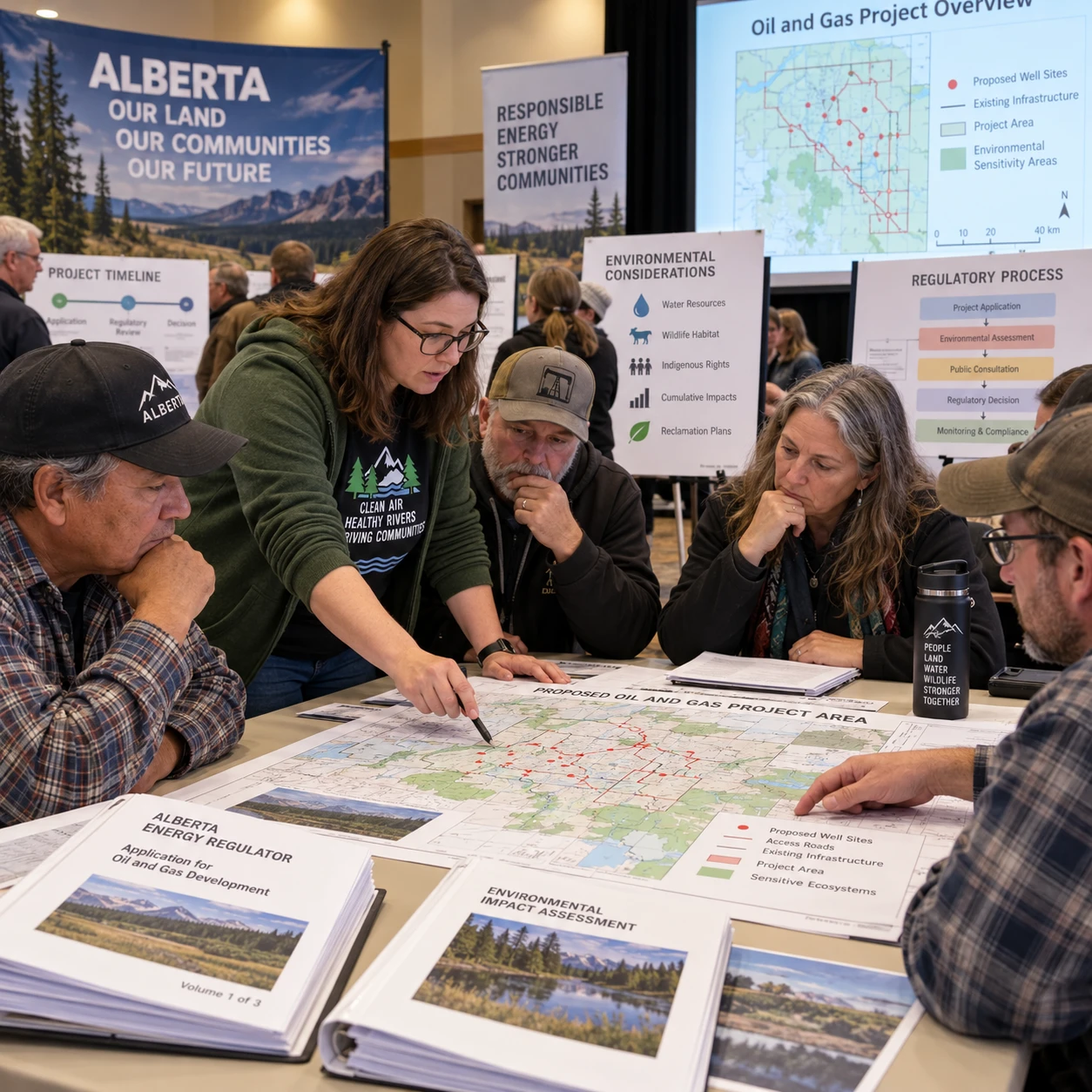
Challenging an oil and gas permit in Canada usually means engaging with the regulator, building a relevant record, and using any review or court process available for that specific decision. In Alberta, the Alberta Energy Regulator (AER) handles many energy-related applications, but a public objection does not automatically stop a project or guarantee a hearing.
For citizens and advocacy groups, the practical task is to match the concern to the right process: identify the approval, check the rules and deadlines, and support objections with evidence. The law and procedures differ across provinces, projects, and types of approval, so treat this as general information, not legal advice.
How oil and gas permitting works in Alberta
In Alberta, oil and gas permits and approvals are handled through regulatory processes that depend on the activity, location, and decision being sought. The AER regulates many upstream oil and gas activities, while other provincial or federal authorities may have roles where a project triggers their laws or approvals.
A proposal may require several decisions, such as approvals for a well, facility, pipeline, water use, or reclamation. Environmental assessment requirements also depend on the project and applicable law; not every oil and gas application follows the same assessment process. Finding the correct application and decision-maker is the first step in any effective challenge.
Start by locating the public application record and identifying:
- The applicant, project description, location, and type of approval requested.
- The regulator and the specific rules governing comments, objections, or hearings.
- Any related approvals, assessment documents, maps, or public notices.
- The dates for participation and any later review or appeal routes.
Alberta’s Alberta Energy Regulator publishes information about its regulatory role and processes. Read the current application-specific directions rather than assuming the procedure used for one project applies to another.
Participate early in the regulatory process
To influence a permit decision, identify the applicable participation route and submit a focused, timely response. Depending on the process, that may mean written comments, an objection, a hearing request, or evidence filed under specific rules.
Early participation helps put concerns before the decision-maker while the record is still developing. A general statement of opposition may explain a community’s position, but a strong submission connects a concern to the proposed activity, the regulator’s mandate, and information the regulator can assess.
Before filing, check the notice and procedural requirements carefully. Confirm whether you must show that you are directly and adversely affected, whether a group can participate on behalf of members, what documents are accepted, and how service on the applicant works. Rules and deadlines can vary, and a late or incomplete filing may not be considered.
A practical submission can include:
- A clear explanation of the specific concern and how it relates to the application.
- Supporting material, such as a map, dated photographs, monitoring records, or technical reports.
- Questions the applicant or regulator should address, stated precisely.
- A specific request, such as further information, a condition, or consideration through a hearing process, where available.
Public comments do not automatically trigger a regulatory hearing. The regulator applies the relevant legal test and procedural rules. Early engagement can still clarify disputed facts, prompt further questions, and create a record for later steps.
Build a clear record of environmental and community concerns
A clear record links documented environmental or community impacts to the proposed project and the decision the regulator must make. Relevant evidence is more useful than volume: each item should help explain a potential effect, uncertainty, or gap in the application.
Advocacy groups can organize evidence by issue, location, source, and date. For example, concerns about water may call for watershed maps, well records, baseline data, or a qualified hydrologist’s analysis. Noise, traffic, air emissions, wildlife, and cumulative effects may require different expertise and records. Do not present a personal observation as a technical conclusion unless the evidence supports it.
Expert submissions can clarify technical disputes, but they should answer a defined question and disclose their basis. A useful report explains methods, assumptions, limitations, and how its findings relate to the proposed operation. If the application lacks information, identify what is missing and why that gap matters to the decision.
Keep original files, dates, locations, and notes. Distinguish firsthand observations from information reported by others, and avoid overstating what the evidence proves. This approach gives regulators a more reliable record and helps a lawyer assess whether a later appeal or judicial review has a viable basis.

Use appeals and judicial review where available
An appeal or regulatory review challenges a decision through a route created by legislation or regulator rules; judicial review asks a court to examine the legality and fairness of a decision-making process. Neither route is a general opportunity to reargue a project solely because a person disagrees with the outcome.
Some decisions may be eligible for an internal or statutory review, an appeal to a designated body, or another form of reconsideration. Eligibility, deadlines, and the issues that may be raised depend on the governing law and the decision itself. A person who participated in the original process may still need to meet a separate test to seek review.
Judicial review is generally concerned with whether the decision-maker acted within its authority and followed a lawful process. Potential grounds can include a legal error, an unreasonable decision under the applicable standard, or procedural unfairness. The court’s role is not usually to substitute its preferred environmental or energy policy for the regulator’s judgment.
Because deadlines can be short and remedies are not guaranteed, get legal advice promptly after a decision is issued. A lawyer can identify the correct route, assess the record, and explain whether the requested remedy is available. A successful challenge may lead to a decision being reconsidered or sent back for a new process; it does not necessarily cancel a project permanently.
Raise consultation and procedural fairness issues
Indigenous consultation and procedural fairness can be important legal issues, but their application depends on the circumstances, the decision, and the law. Advocacy groups should raise specific process concerns without assuming that every project triggers the same duties or that a public submission can replace consultation with Indigenous communities.
The Crown has constitutional consultation obligations where contemplated conduct may adversely affect asserted or established Aboriginal or treaty rights. The Crown may rely on regulatory processes to carry out aspects of consultation in some circumstances, but the legal responsibility and adequacy of the process require case-specific analysis. Indigenous nations are rights-holders with their own laws, positions, and priorities; they should not be treated as interchangeable stakeholders.
Procedural fairness concerns may arise if a person with a recognized right to participate was not given a meaningful opportunity to respond, if important evidence was not disclosed as required, or if the decision-maker did not follow a required process. The relevant standard varies with the context and governing rules.
When raising a concern, identify the duty or procedural rule, describe what happened, and explain how it affected participation or the decision. Avoid claiming a legal breach without evidence. Where Indigenous rights may be affected, groups should listen to the relevant Indigenous nation and avoid speaking on its behalf.
Coordinate, meet deadlines, and understand limitations
Effective challenges require a clear division of work, careful deadline tracking, and a realistic understanding of standing, costs, and available remedies. Coordination can improve the quality of evidence, but it does not remove legal eligibility requirements or guarantee a favorable result.
Residents and organizations may have different participation rights. Standing and appeal rights can depend on the applicable statute, the stage of the process, and whether a person is directly affected. A group should confirm who is legally entitled to file rather than assuming that community membership alone is enough.
Set up a shared calendar with the application notice, filing deadline, hearing dates, decision date, and any review deadline. Assign one person to track official updates and keep a version-controlled record of submissions. Legal proceedings can involve filing fees, expert costs, and substantial time; groups should weigh those commitments against the likely issues and remedies.
Common missteps include waiting until a decision is issued to raise concerns, submitting broad objections without supporting facts, and treating disagreement with policy as proof of legal error. Correct these by participating when allowed, tying each point to evidence and the regulator’s mandate, and getting qualified advice before pursuing a formal challenge. Current rules matter more than assumptions based on a different project.
Frequently asked questions
Can any resident challenge an oil and gas permit in Alberta? No. Participation and appeal rights depend on the specific process and legal tests, which may require a person to show a particular connection to the project or decision.
What is the difference between a regulatory appeal and judicial review? A regulatory appeal or review is a route provided by legislation or regulator rules. Judicial review is a court process focused on the legality and fairness of the decision-making process.
What evidence can advocacy groups submit? Depending on the rules, they may submit written observations, maps, photographs, monitoring data, technical reports, and expert evidence relevant to the application. Check the process requirements before filing.
Do public comments automatically trigger a hearing? No. The regulator decides whether a hearing is required or warranted under the applicable rules. Comments can raise issues, but they do not guarantee a hearing or change the decision.