Alberta’s Oil Sands Compared with Major Fossil Fuel Projects Worldwide

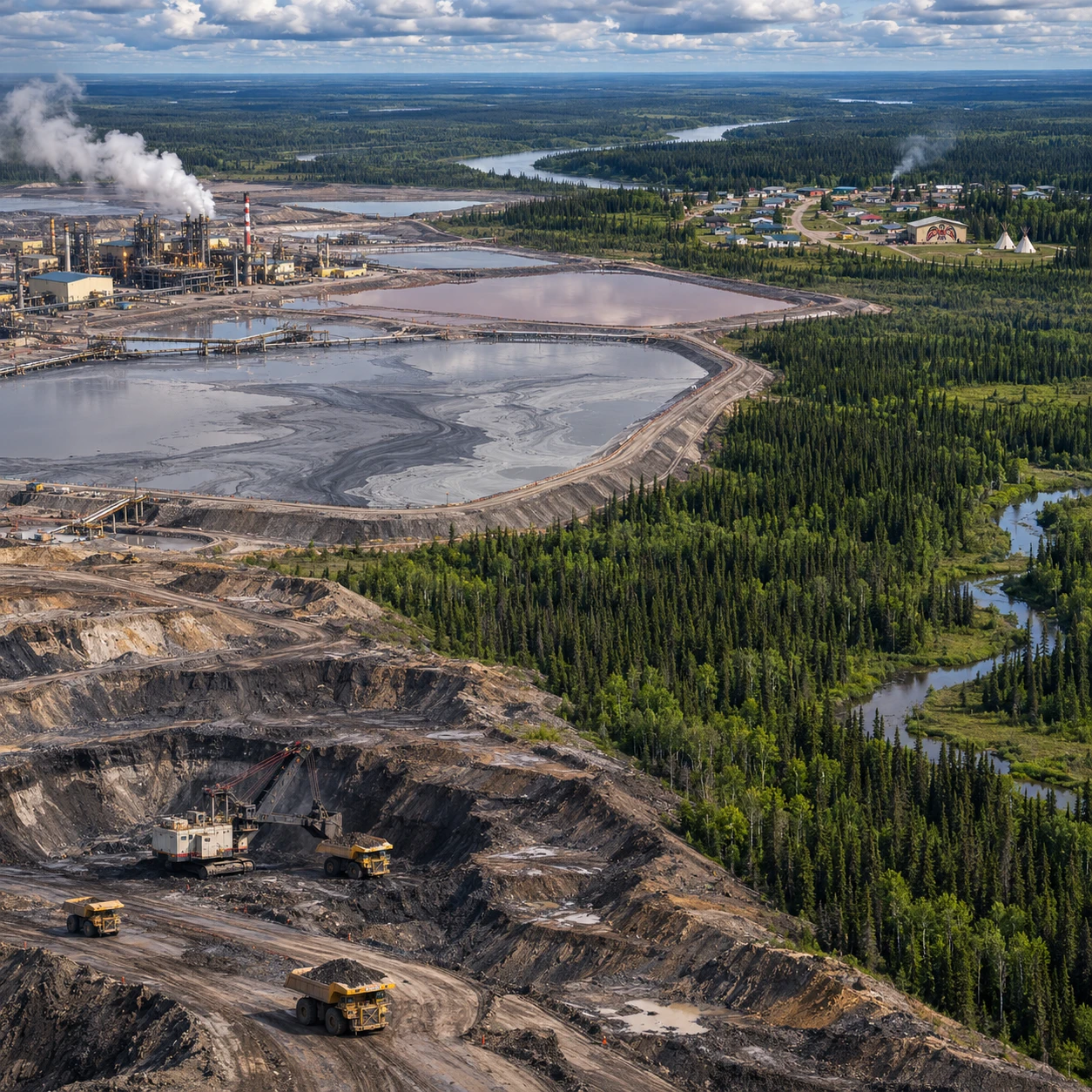
Alberta’s oil sands are often described as one of the world’s largest fossil fuel developments. That scale matters, but it does not tell the whole story: extraction methods, greenhouse gas emissions, water use, land disturbance and effects on nearby communities vary widely across projects. Comparing those factors helps Albertans assess the consequences of further oil and gas expansion without pretending that every fossil fuel project is the same.
What makes Alberta’s oil sands distinct?
Alberta’s oil sands contain bitumen, a thick form of petroleum mixed with sand, clay and water. Because bitumen does not flow readily, extracting it requires more processing and energy than many conventional oil fields, with different impacts depending on whether a deposit is mined or produced in place.
The Athabasca oil sands, along with deposits in the Cold Lake and Peace River regions, form a vast resource in northern Alberta. Near-surface deposits can be recovered through open-pit mining. Deeper deposits are generally developed through in-situ methods, which use wells and heat, commonly steam, to make bitumen mobile enough to pump.
Those methods leave distinct footprints. Surface mining removes vegetation, soil and overburden across large areas. It also creates tailings ponds, where water, fine sediment and residual contaminants from processing are stored. In-situ operations avoid a large open pit but still require well pads, roads, pipelines, water and energy. The footprint can be spread across a wider area, and forest fragmentation can affect wildlife habitat.
Oil sands production also connects to extensive oil and gas infrastructure: processing facilities, pipelines and transport networks. A project’s impacts therefore do not end at the extraction site. Its full climate footprint includes production, transport and the eventual combustion of the fuel, though those emissions occur at different stages and may be counted by different parties.
A fair basis for comparing fossil fuel projects
A fair comparison looks at what each project produces, how it extracts fuel, and who or what bears the impacts. No single figure, including a project’s area or emissions per unit of energy, can describe its full environmental and social burden.
Use a four-part test: scale, climate, land and water, and people. Scale includes production over a project’s lifetime, not only its daily output or the size of its lease. Climate comparisons should distinguish emissions from extraction and processing from emissions released when the fuel is burned. Both matter, but they answer different questions.
Land and water assessment should account for direct disturbance, habitat fragmentation, freshwater withdrawals, waste storage and the risk of contamination. It should also ask whether a site can be reclaimed and whether monitoring continues after operations stop. A reclamation plan is not proof that ecological conditions will return to their former state.
Finally, identify affected communities and how decisions are made. Indigenous rights, treaty relationships, access to land, health concerns and meaningful participation cannot be reduced to a project-wide emissions estimate. Comparisons can clarify differences; they cannot, on their own, settle questions of consent or environmental justice.
How oil sands compare with other major projects
Alberta’s oil sands differ from coal mines, conventional oil fields and large gas developments in their extraction methods and local footprints. Their impacts overlap, especially through climate emissions and industrial infrastructure, but treating these project types as interchangeable obscures important risks.
- Coal mines: Like surface-mined oil sands, open-pit coal mining can remove substantial areas of land and generate waste materials that need long-term management. Coal combustion releases substantial carbon dioxide, while mining can also affect water quality and local air quality. The scale and impacts depend on the mine, its geology, its waste controls and how the coal is used.
- Conventional oil fields: Conventional oil is often easier to bring to the surface than bitumen, so extraction may require less processing energy. But wells, roads, flaring, spills and pipelines still create climate and ecological risks. A field with many dispersed wells can fragment habitat even if no single site resembles a large oil sands mine.
- Large gas developments: Gas projects may involve well pads, gathering lines, processing plants and export pipelines or liquefied natural gas terminals. Burning natural gas produces carbon dioxide, and methane can escape during production and transport. The climate comparison depends on measured leakage, equipment and the fuel displaced; claims that gas is automatically low-impact need project-specific evidence.
The comparison changes again when considering a whole supply chain. A mine may have a concentrated, visible land footprint; a gas development may spread infrastructure across a broader region. A conventional oil field may use less energy per barrel at the well than an oil sands operation, yet all fuel types add emissions when consumed. Different burdens call for different measures, not a simplistic global ranking.
Environmental and community impacts across project types
Fossil fuel projects can affect climate, ecosystems and communities, but the pathways and severity differ by location and design. For Alberta, the central concerns include cumulative greenhouse gas emissions, disturbance of boreal landscapes, water pressures and the distribution of risks and benefits.
At oil sands mines, land clearing and tailings management are highly visible concerns. In-situ development typically disturbs land through networks of pads and access routes, with effects that can accumulate over time. In either case, water use, waste handling and the possibility of releases deserve scrutiny. Specific claims about pollution or health effects should be tied to reliable monitoring, clear exposure pathways and the communities concerned.
Coal, oil and gas projects bring their own pollution risks, from mine drainage and dust to oil spills, flaring and methane leakage. Across all types, greenhouse gas emissions contribute to climate change, which creates impacts far beyond the project region. Comparing only operational emissions can leave out the larger contribution from burning the extracted fuel.
Communities may face changes to land access, livelihoods, health conditions and local services. Indigenous communities have distinct rights and relationships to their territories; those cannot be treated as one generic stakeholder category. A serious assessment should examine whose knowledge is included, whether consultation is meaningful, how cumulative effects are measured, and whether affected Nations can exercise their rights in decisions.
Why project comparisons matter for Alberta
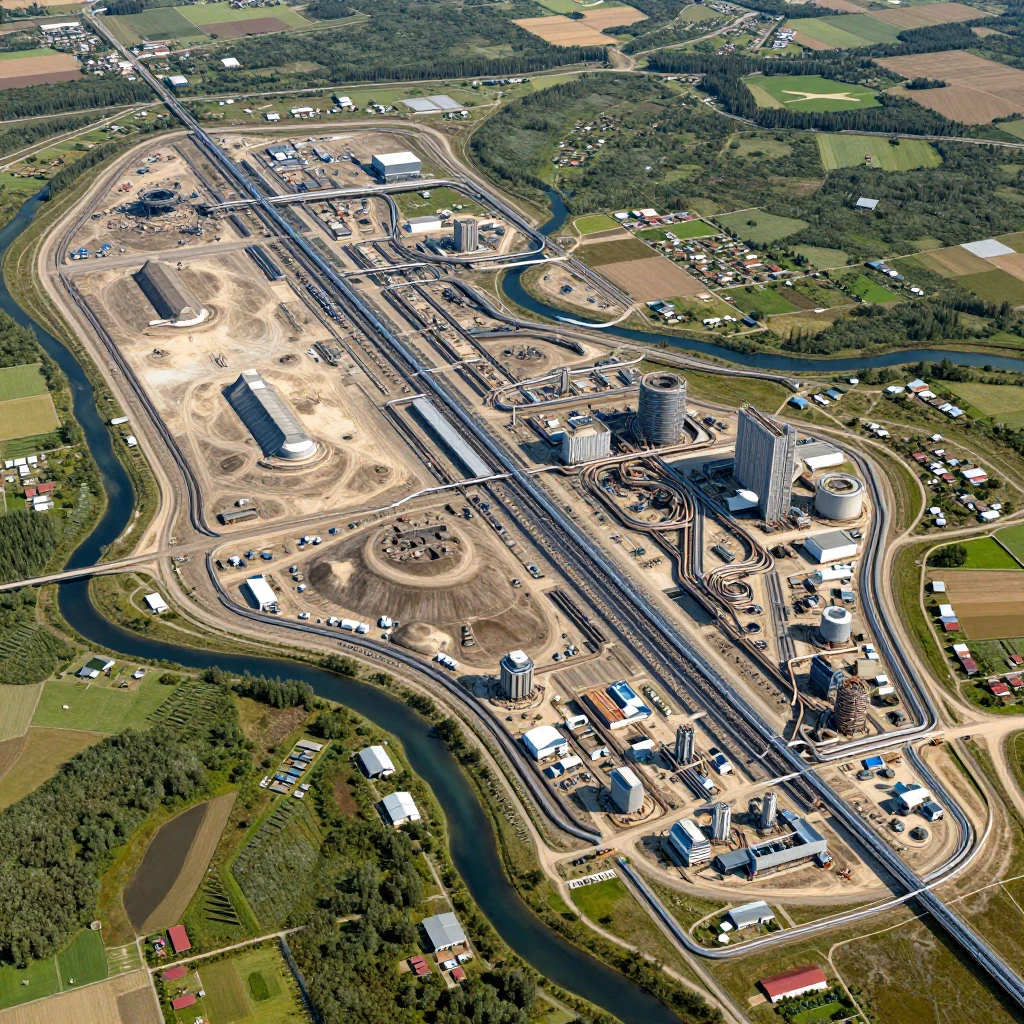
Comparing Alberta’s oil sands with other fossil fuel projects helps residents test claims about expansion, infrastructure and environmental responsibility. It places local decisions in a global context while keeping attention on Alberta’s particular landscape, communities and cumulative industrial footprint.
New extraction and transport infrastructure can shape production choices for decades. That makes the question larger than whether one facility meets its permit conditions: decision-makers and citizens also need to ask how a project fits with existing operations, regional land-use plans, climate commitments and the long-term costs of monitoring and reclamation.
Comparison can also expose weak arguments. A company may point to lower emissions per unit of output than a different fuel, while leaving out total production growth or end-use emissions. An opponent may compare a proposed project with a highly disruptive mine without accounting for differences in location or method. Ask for consistent boundaries and evidence before accepting either claim.
For citizens opposing further oil and gas expansion, the practical question is whether the project’s full costs are acceptable, who carries them and whether the stated benefits justify adding long-lived infrastructure. A comparison informs that debate; it does not replace Indigenous rights, local evidence or public accountability.
Questions to ask when evaluating a fossil fuel project
Evaluate a fossil fuel project by asking consistent questions about its full lifecycle, affected lands and communities, and responsibility for long-term impacts. This simple checklist can help readers separate a narrow project claim from the broader consequences.
- What is being extracted? Is it bitumen, conventional oil, coal or natural gas, and what processing does it require?
- What is the real scale? Look beyond the facility boundary to lifetime production, supporting roads and pipelines, and connected infrastructure.
- Which emissions are counted? Separate production and processing emissions from transport and fuel combustion. Check whether methane is measured and how uncertainty is handled.
- What happens to land and water? Ask about habitat disturbance, fragmentation, water withdrawals, waste or tailings management, spill prevention and reclamation follow-up.
- Who is affected, and who decides? Identify nearby communities and Indigenous Nations, their rights and concerns, and whether participation can influence the outcome.
- Who remains responsible later? Find out who pays for monitoring, cleanup and reclamation if the operator’s plans change or operations end.
Useful comparisons require consistent boundaries and locally grounded evidence. When a claim leaves out lifecycle emissions, cumulative land impacts or the voices of affected communities, treat it as incomplete, regardless of which type of fossil fuel project it describes.
Frequently asked questions
What is distinctive about Alberta’s oil sands extraction?
Oil sands contain bitumen, which is thick and does not flow easily. Operators use open-pit mining for shallow deposits and in-situ methods, often involving steam, for deeper deposits. Each method has different land, water and energy demands.
Can oil sands be directly compared with coal mines or gas projects?
They can be compared using shared measures such as lifecycle emissions, land disturbance, water impacts and community effects. They should not be treated as identical because their extraction methods, waste streams and infrastructure differ.
What environmental impacts should comparisons include?
Include greenhouse gas emissions across the fuel lifecycle, land clearing and fragmentation, water use and quality, waste storage, pollution risks and reclamation. Also consider cumulative effects alongside individual project impacts.
Why do Indigenous rights and community impacts matter in project assessments?
Projects can affect Indigenous territories, rights, livelihoods and relationships with land, as well as the health and circumstances of nearby residents. Assessments need to address those impacts directly and respect Indigenous rights; an emissions comparison cannot answer those questions by itself.